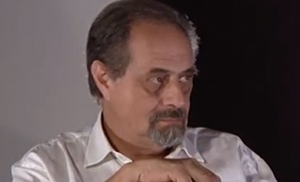
Lino Bicari
Biography
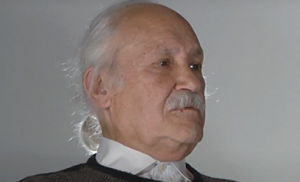
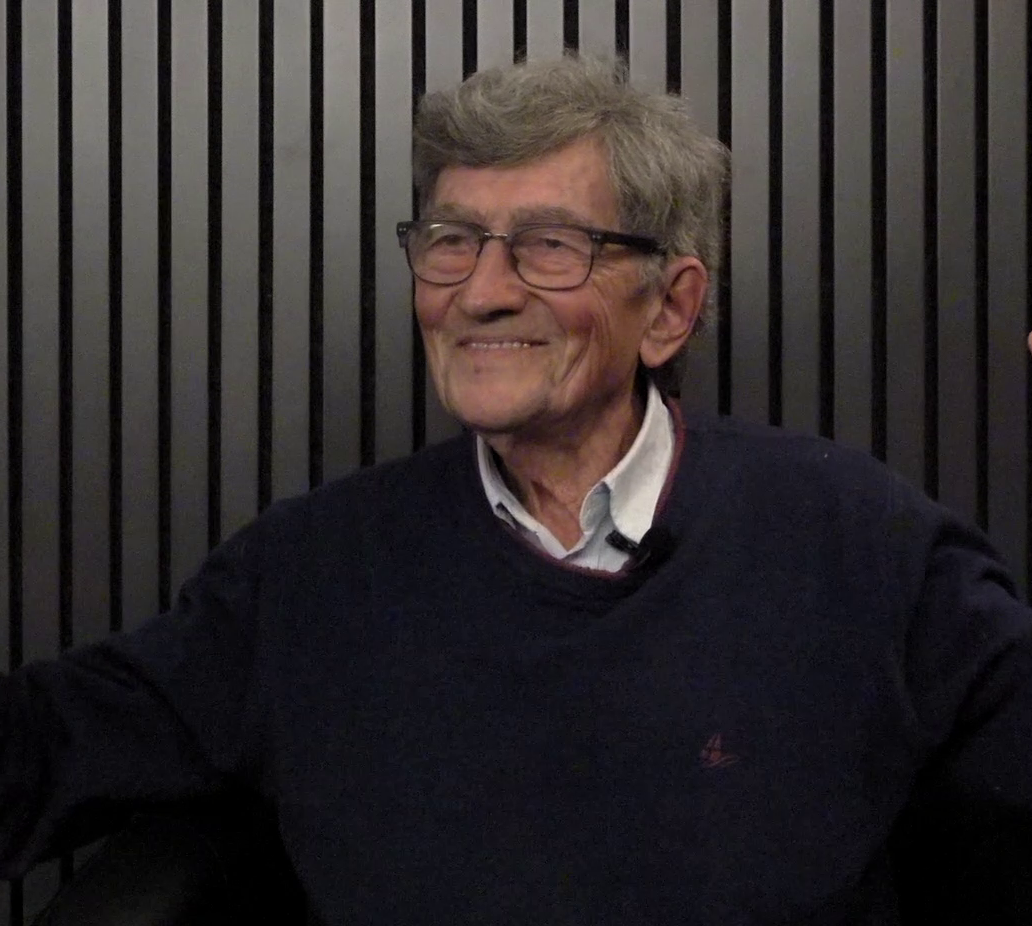
Lino Bicari was born in Borgo Val Di Taro, in the province of Parma, Italy, on December 1, 1935. Between 1959 and 1963, he studied theology at the seminary of the Pontifical Institute for Foreign Missions (PIME) in Milan and completed additional studies in Missionary Medicine, Ethnoiatrics, Psychopedagogy, Didactics, and Ethnology. In 1966 and 1967, he studied Portuguese Language, Colonial Administration, Statistics, and Ethnography of the Portuguese Overseas Territories at the Pio XII College in Lisbon. In 1967, during the colonial war, he arrived in Guinea-Bissau as a PIME missionary and assumed the position of Director of the Catholic Mission Boarding School in Bafatá. He was responsible for training teachers at the mission schools in Catió, Bubaque, Biombo, Comura, Suzana, Farim, Bambadinca, and Bafatá. Some of his students, upon completing their training, immediately joined the armed struggle for independence. Marked by World War II, Italian fascism, and colonialism, Lino forged an anti-fascist and anti-colonial mindset from a young age. While studying in Portugal, he became acutely aware of Portuguese colonialism, which strengthened in Guinea. As he deepened his knowledge of the horrors of the colonial war and the crimes of colonialism, a process that led him to join the PAIGC in the liberated zones. During this first stint in Guinea, he established a close relationship with the military chaplain of Bambadinca, Father Arsénio Puim, who would eventually be arrested and expelled from the Army for his stance denouncing the war, particularly in a homily delivered in 1971 that would leave a lasting impression on Bicari. Returning to Italy between 1971 and 1973, Lino Bicari came into contact with the PAIGC, with which he would serve until 1987. He met PAIGC leader José Turpin and made contact with Amílcar Cabral, who was assassinated shortly thereafter. He returned to Guinea-Bissau in 1973 and, having completed his break with the Portuguese government and disassociated from the Mission, began working with the PAIGC in the liberated area of the Boé region as director of the Regional Hospital. After independence, he carried out several political missions and held positions in the health and education sectors of Guinea-Bissau, becoming one of the few foreigners recognized by the Guinean authorities as a Freedom Fighter. Based in Portugal since 1990, he continued to work on development projects in Africa, notably in Angola and Mozambique. He was a consultant for UNICEF and worked with Portuguese, German, and Dutch non-governmental organizations on local development projects.