They were affraid, yet they went

11 MAR 2026 to 31 JAN 2027
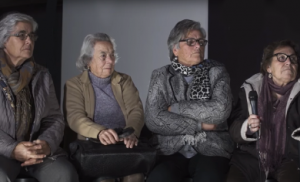
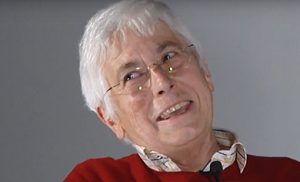
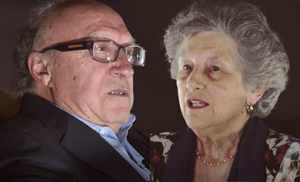
Who were the women political prisoners? How did they resist in prison? How did they endure, and who supported them? This exhibition seeks to better understand these aspects through their life stories and the immense legacy of resistance to the dictatorship. Women resisted the dictatorship on all fronts. Some went underground, living apart from their families and children for years on end. Many others were arrested and tortured, some along with their children. Others went into exile and fled a regime that persecuted them. They built powerful networks of solidarity, and thousands opened the doors of their homes, generously welcoming and supporting anti-fascists and their families.
More information
Manifestação popular no Porto, 1974. Em destaque Virgínia Moura, antiga presa política e resistente antifascista

Before Being Independence, It Was a Struggle For Liberation,

FROM 3 APR TO 31 JAN 2026
Celebrate the 50th anniversary of independence by exploring the museum’s archive, and trying to generate more anti-colonial and anti-racist thinking and action, abolishing all forms of violence.
more information

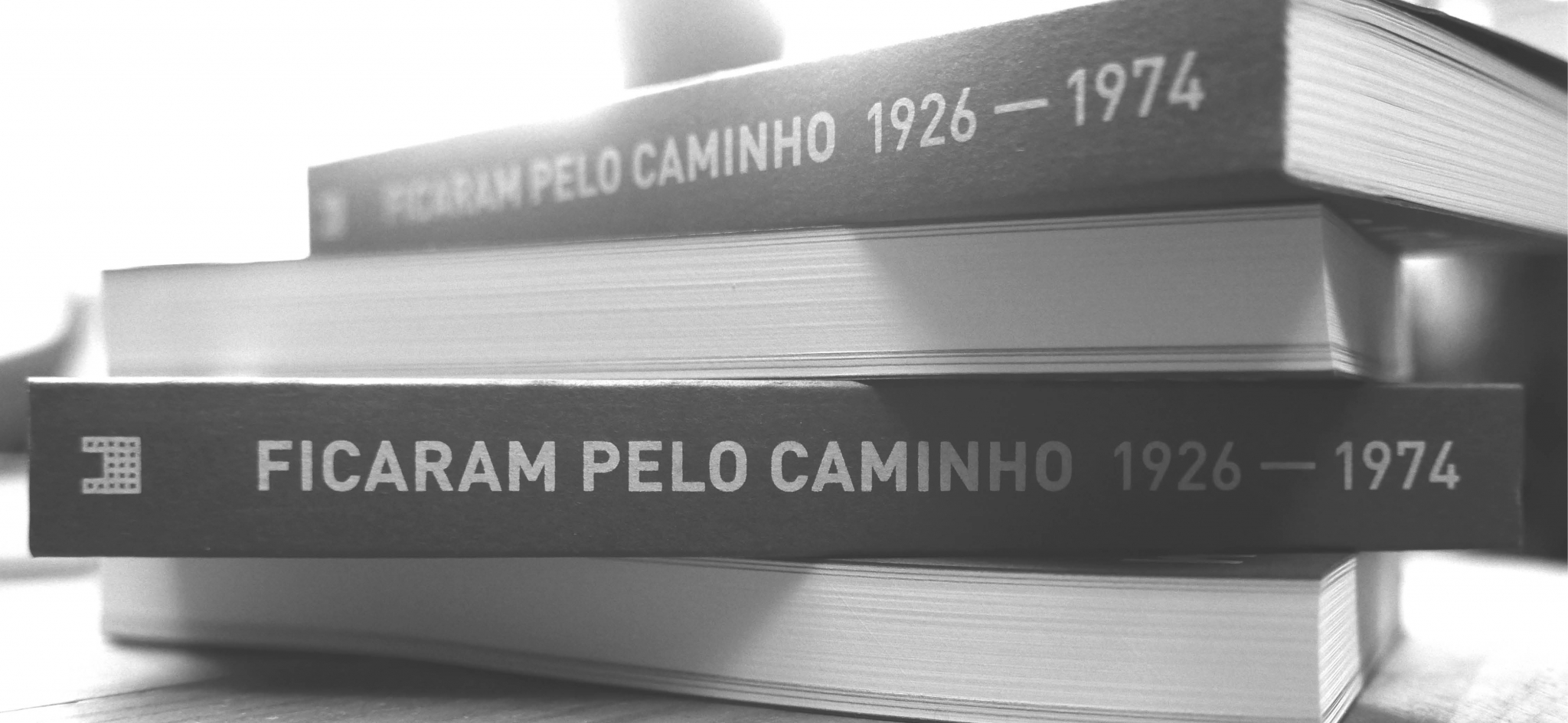
THOSE WHO FELL BY THE WAYSIDE · 1926 — 1974

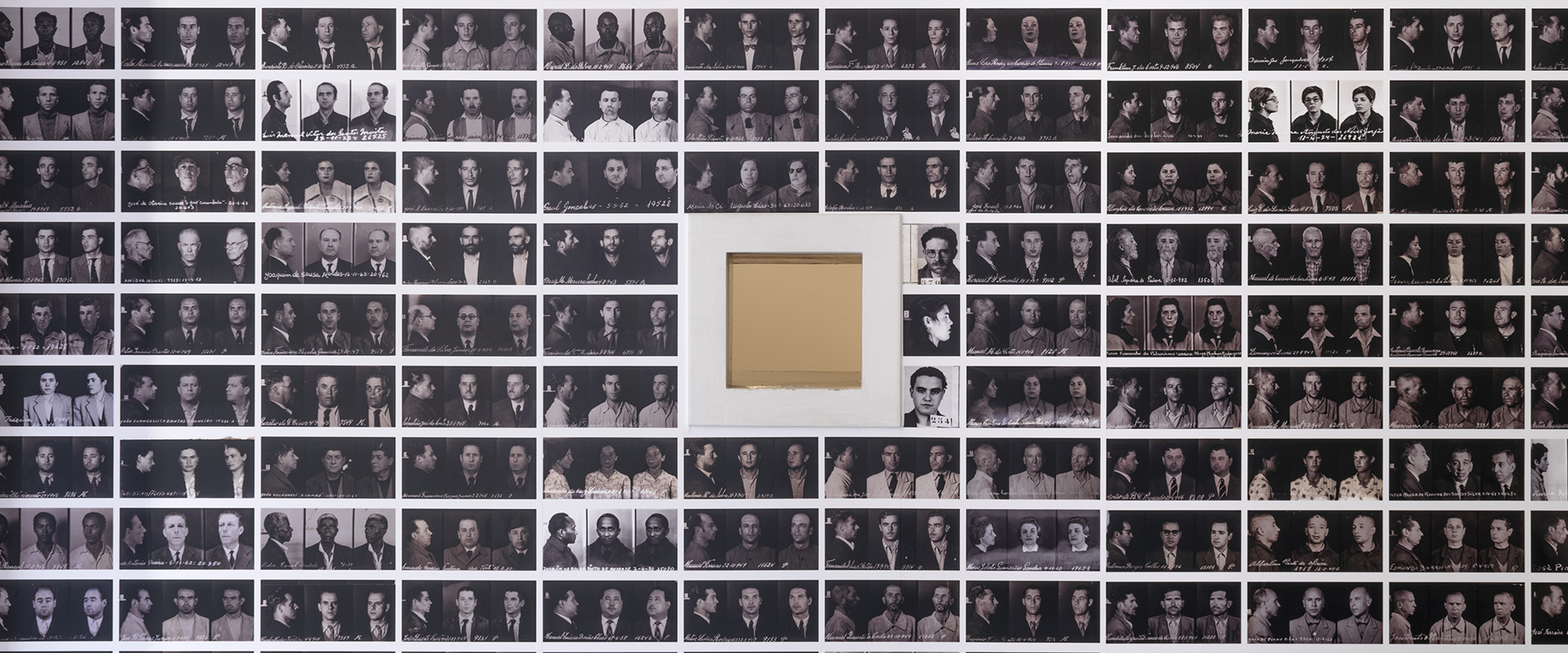
The Aljube Museum Resistance and Freedom seeks to evoke and honor all those who resisted. In this space, the mortal victims of the Military Dictatorship and the Estado Novo between 1926 and 1974 deserve special mention, telling a little of their stories and, whenever possible, showing their faces.
MORE INFORMATION
Long-term Exhibition
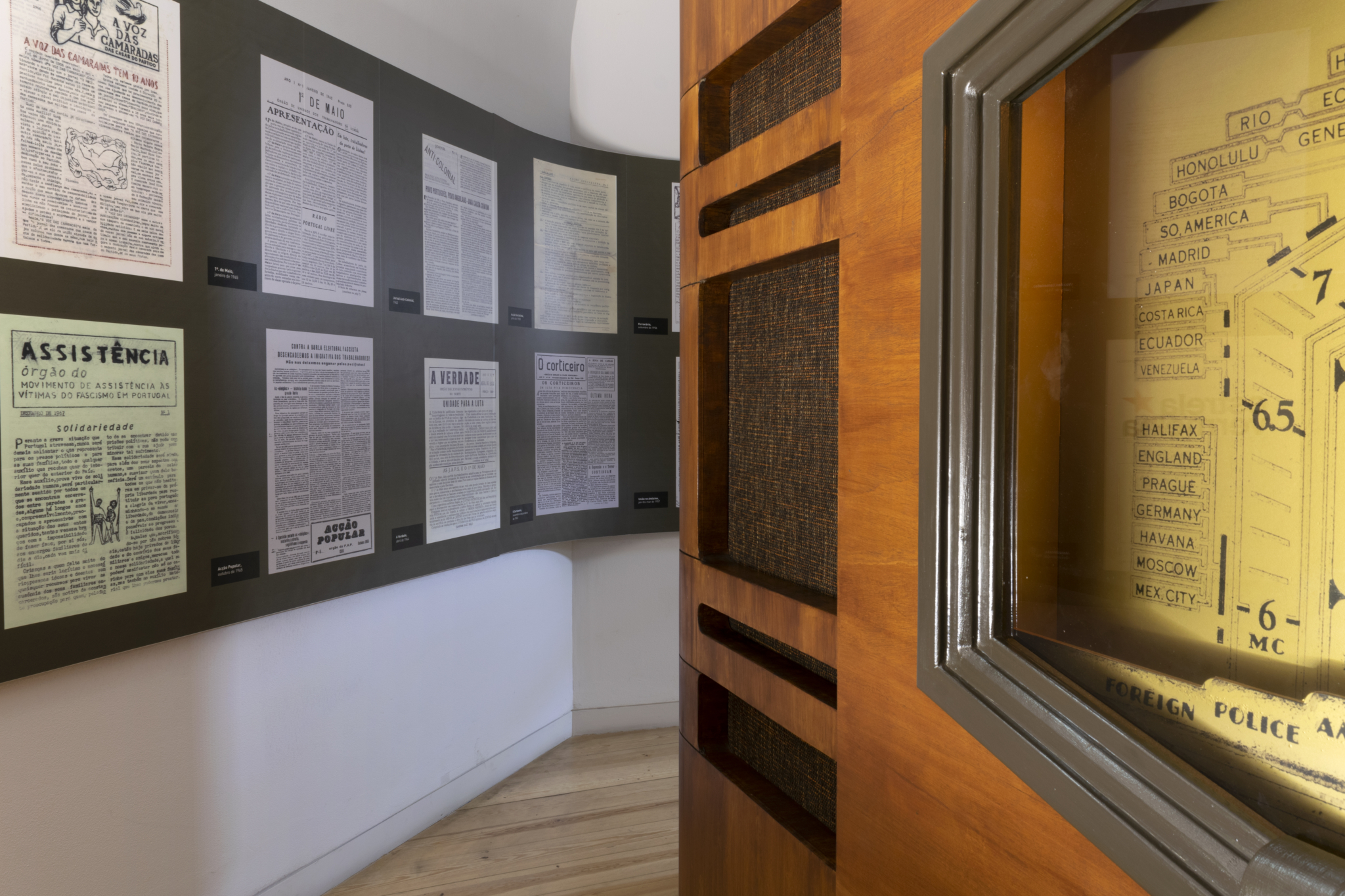
The Museum’s long-term exhibition presents to the visitors, on the -1 floor an archaeological exhibit with traces found here. On floor 0, the memorial to the political prisoners and the building’s history; on floor 1, the characterization of the Portuguese dictatorial regime (1926-1974), its means of repression and oppression (the Censorship, the police and the political courts). On floor 2, the resistance of the oppositions (semi-legal and clandestine), prison, torture, isolation cells. On floor 3, the anti-colonial struggle and the independence movements of liberation, the overthrow of the dictatorship and the 25th of April 1974.
All year
Manifestação popular no Porto, 1974. Em destaque Virgínia Moura, antiga presa política e resistente antifascista
They were affraid, yet they went
Women resisted the dictatorship on all fronts. Some went underground, living separated from their families and children for years on end. Many others were arrested and tortured, some with their children. Others went into exile and fled a regime that persecuted them. They built powerful networks of solidarity, and thousands opened the doors of their homes, generously welcoming and supporting anti-fascists and their families. The long and rich history of resistance to the dictatorship would not have been possible without them.
11 of March of 2026 to 31 of January of 2027
Before Being Independence, It Was a Struggle For Liberation,
Celebrate the 50th anniversary of independence by exploring the museum’s archive, and trying to generate more anti-colonial and anti-racist thinking and action, abolishing all forms of violence.
3 of April of 2025 to 30 of April of 2026

Aljube Museum Resistance and Freedom

Dedicated to the history and memory of the fight against the dictatorship and the recognition of resistance in favor of freedom and democracy.
It is a museum site and a historical museum that intends to fill a gap in the Portuguese museological fabric, projecting the valorization of the memory of the struggle against the dictatorship in the construction of an enlightened and responsible citizenship and assuming the fight against the excusing silencing, and often accomplice, of the dictatorial regime that ran the country between 1926 and 1974.
About the Museum
Itinerary: “The Revolution Is in the Streets!”
The tour begins at Largo da Boa Hora, continues to Largo do Carmo and Largo da Misericórdia, and ends on Rua António Maria Cardoso. A journey through some of the key locations and moments not only of April 25, but also of the revolutionary process of 1974–1975. The dictatorship, censorship, resistance, political imprisonment, the Revolution, […]
11 of April of 2026 – 10h30
Visit the Aljube! With Audiodescription
Guided tour with audio description (AD) of the Aljube Museum’s long-term exhibition Resistance and Freedom for blind and partially sighted people.
10 of May of 2025 – 10h30
Itinerary “The Revolution is in the streets!”
A journey in which we will discover some of the places and key moments of April 25 and the revolutionary process of 1974 and 1975.
10 of May of 2025 – 10h30
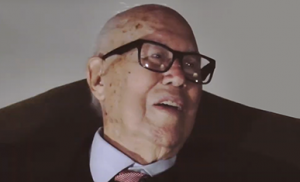
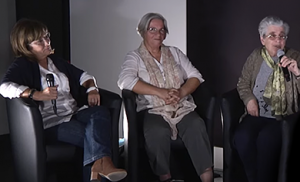
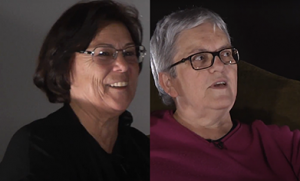
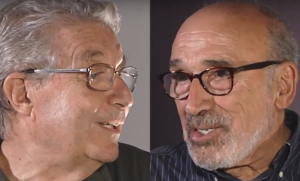
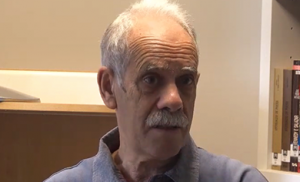
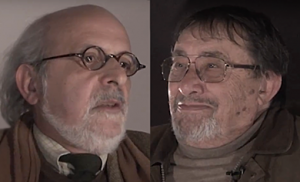
The Aljube Museum collects testimonial memories of resistant and former political prisoners who passed through the PIDE prisons, as well as their families and the rest of the community that lived through the dictatorial period, as a way of memorializing the experiences of oppression, struggle and resistance for Freedom and Democracy.
Tell us your story

EducAljube

Guided tours
Aimed at schools, universities, associations, organisations or informal groups, we explore the contents of the long-term exhibition or temporary exhibitions.
Illustration Contest
The Aljube Museum is issuing a challenge to all those who express their creativity through illustration. .
Catarina Eufémia
#inthis day recalls people and events of resistance to dictatorship and struggle for freedom.
19 of May of 2026
International Day Against Homophobia, Transphobia and Biphobia
#inthis day recalls people and events of resistance to dictatorship and struggle for freedom.
17 of May of 2026
Operation Mondego
#inthis day recalls people and events of resistance to dictatorship and struggle for freedom.
17 of May of 2026